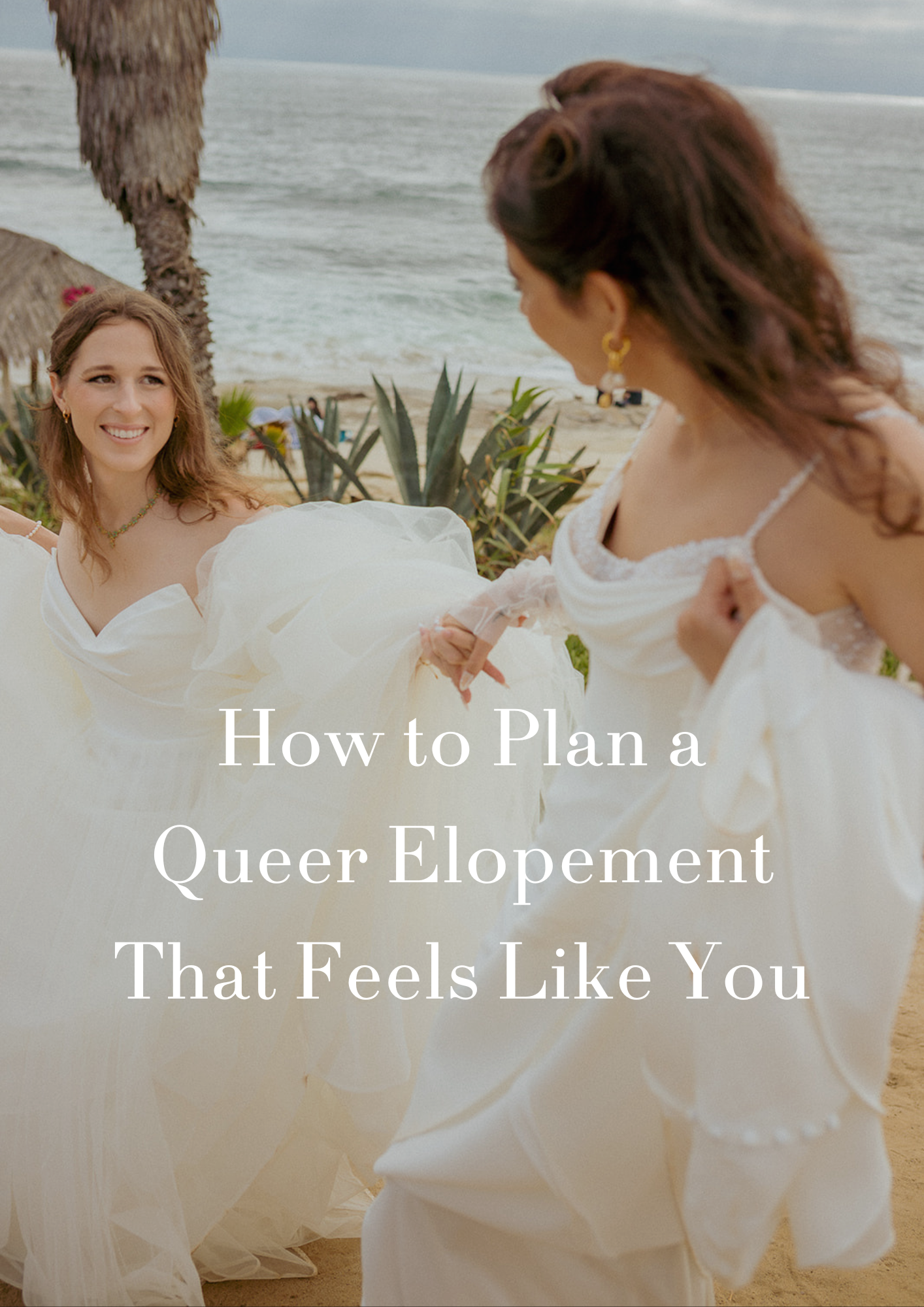
How to Choose a Queer Wedding Photographer Who Gets It
Queer love deserves more than just pretty pictures—it deserves to be seen, felt, and remembered with tenderness. Here’s what to look for in a photographer who gets that.
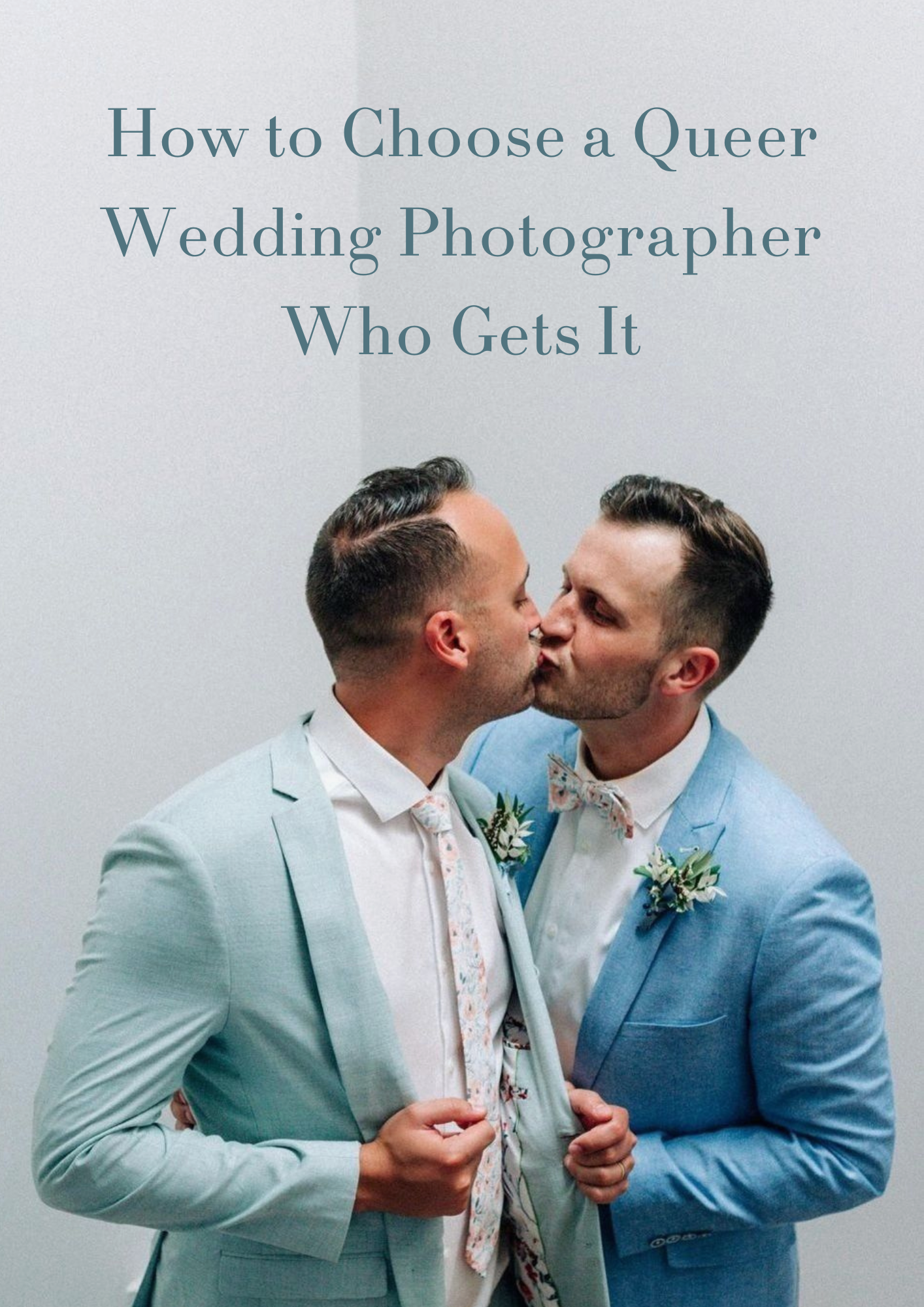
Queer love holds layers. It’s softness and courage, history and reclamation, tension and truth. Not every wedding photographer knows how to hold that — and that’s okay. The goal isn’t to find someone who “tolerates” your story but someone who can honor it, emotionally and artistically.
Eloping or planning an intimate wedding isn’t less love; it’s just more you. And the person behind the camera should understand that.
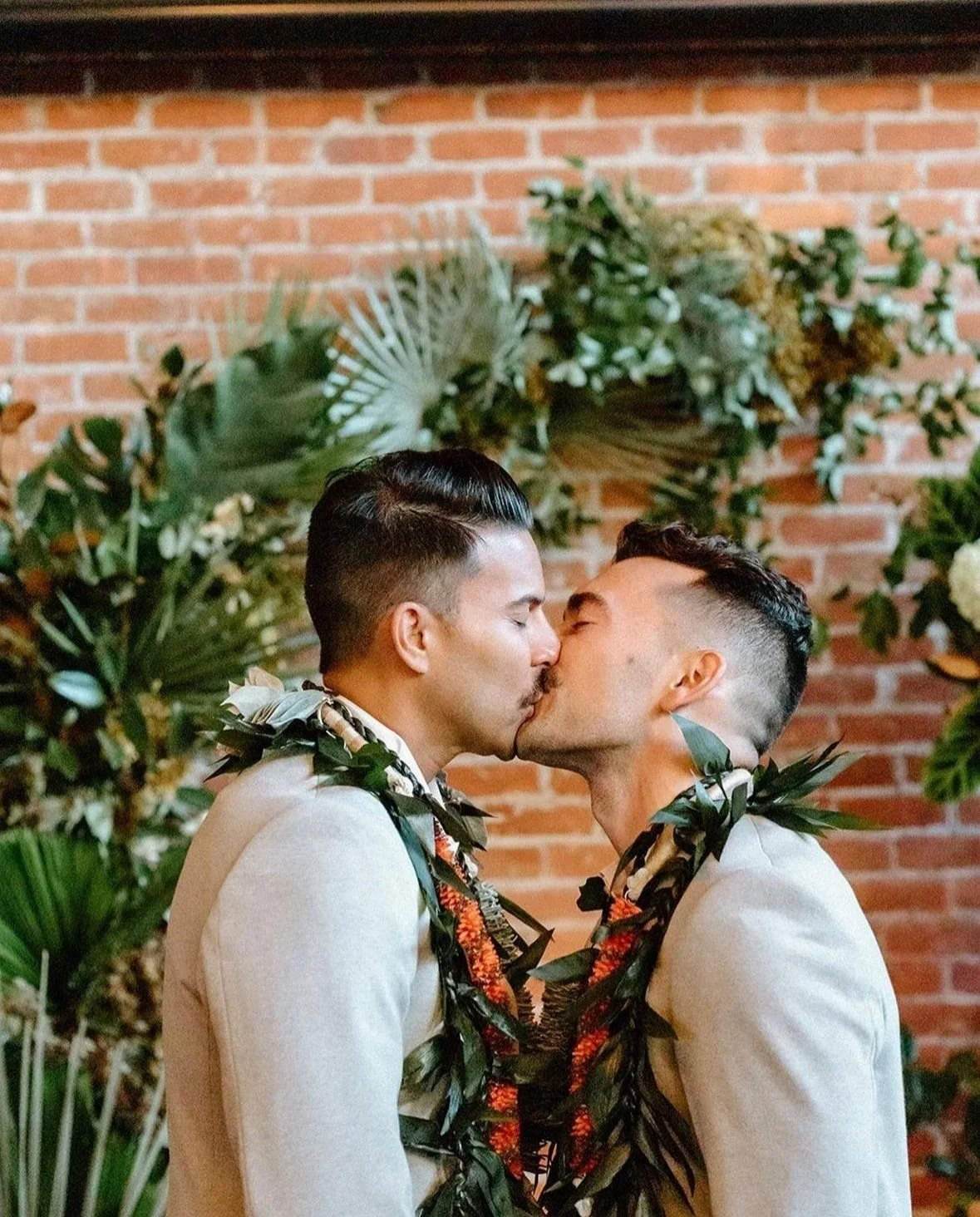
1. Choose Someone Who Sees You
Representation isn’t a checklist — it’s a lens.
A good photographer isn’t just technically skilled; they create a space where you feel safe, at ease, and genuinely seen. Especially for queer couples, safety and emotional attunement are as important as lighting and composition.
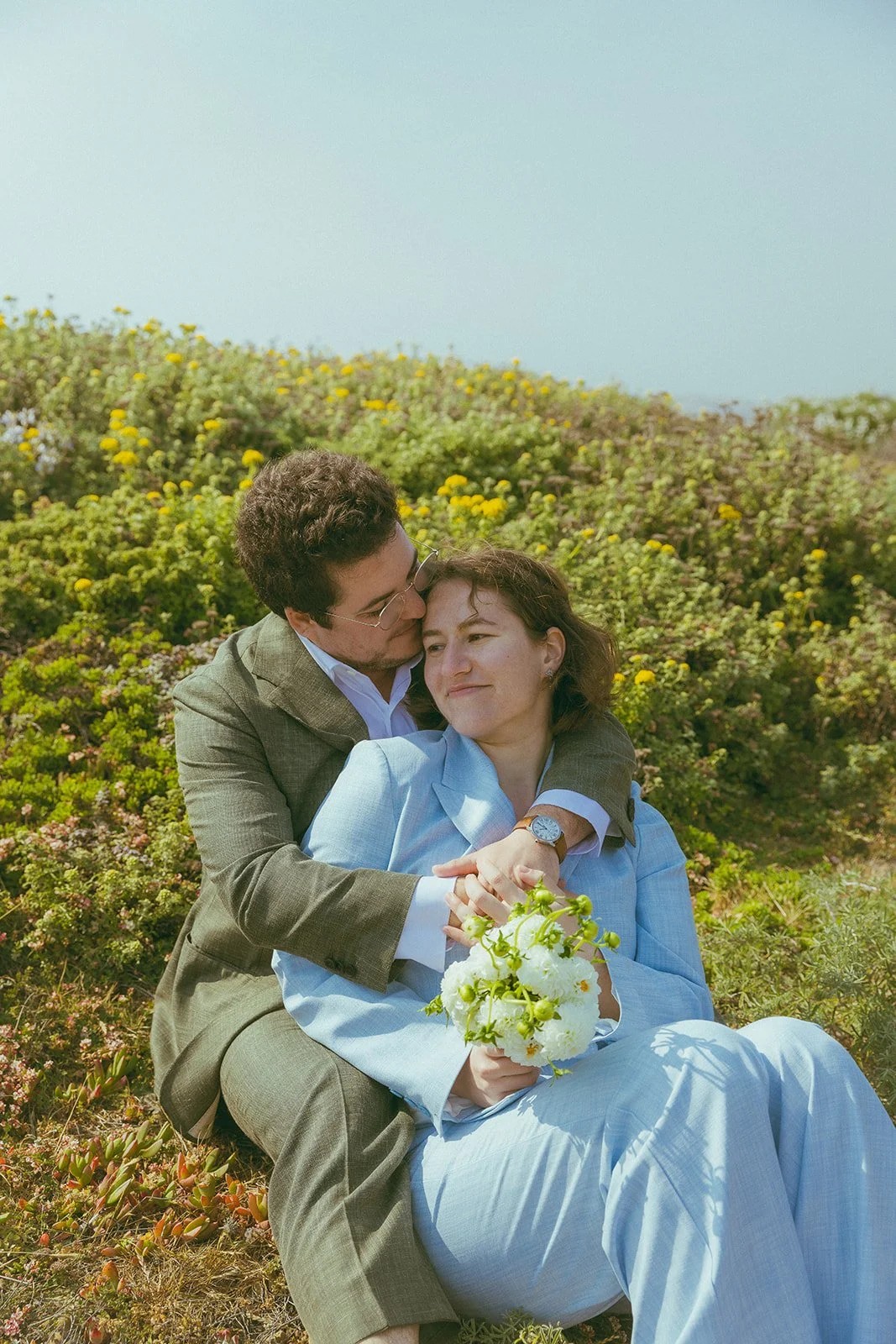

2. Emotional Presence Over Poses
Some photographers direct. Others listen.
The difference matters. When someone is tuned into your connection, they’ll know when to step back, when to guide, and when to let a moment unfold naturally. That’s when images stop being pretty pictures and become heirlooms of feeling.

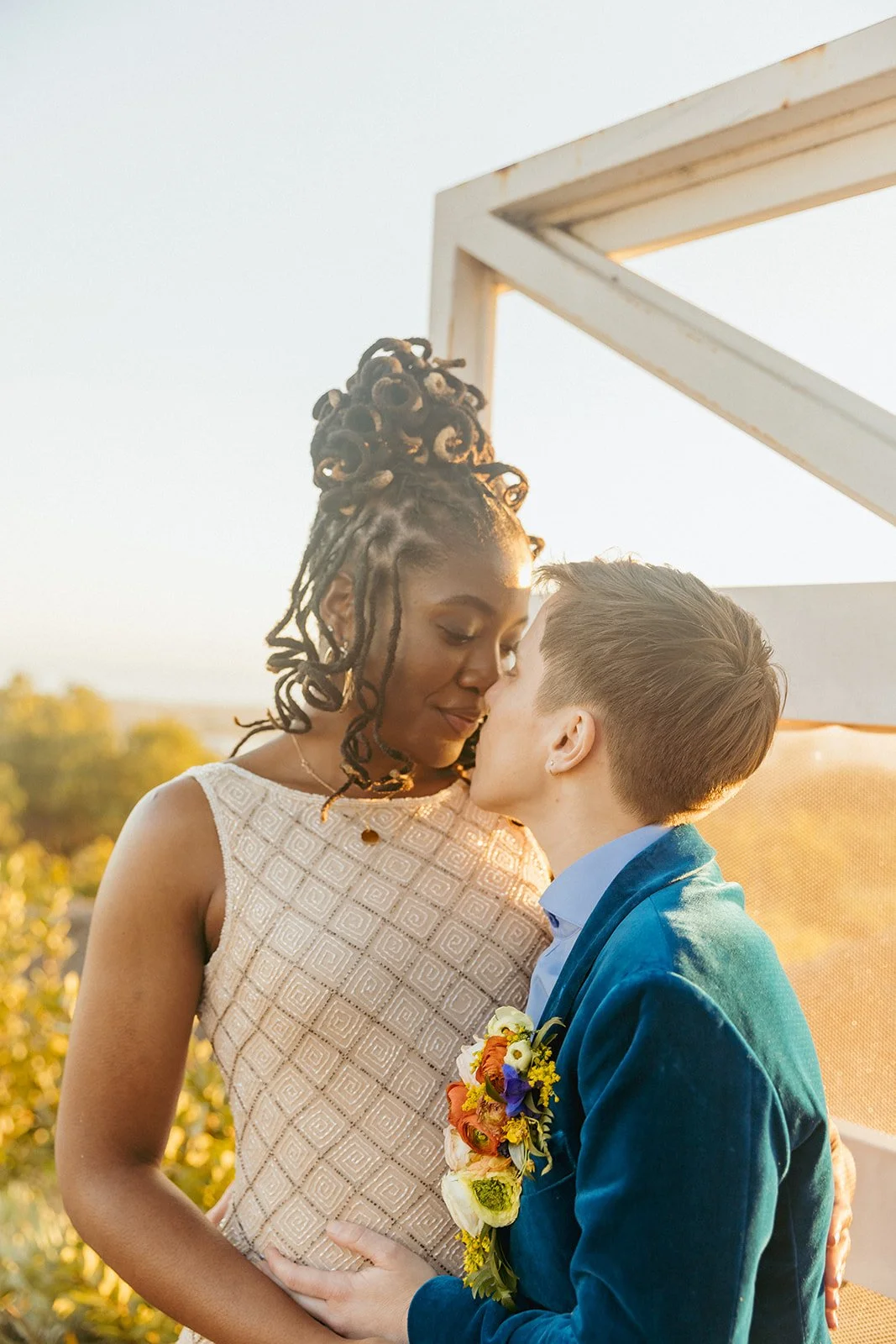


3. Ask About Their Philosophy, Not Just Their Portfolio
Beautiful photos are easy to post. A clear philosophy is harder to fake.
Ask questions like:
“How do you approach documenting queer love stories?”
“What moments matter most to you on a wedding day?”
“What does tenderness behind the lens look like for you?”
The answers will tell you whether they’re there to tell your story — or to use your love for content.

4. Look for Queer-Inclusive Language and Values
A website’s words matter.
Do they use gender-neutral terms? Show a variety of couples? Speak with authenticity rather than performative allyship? True inclusivity is woven into values, not hashtags.
If you’re not sure where to start, look at LGBTQ+ inclusive vendor directories or ask your photographer who they collaborate with. The company you keep says a lot.


5. Notice the Editing Style
Photos are emotional architecture. Editing shapes how your story feels.
Does their work feel warm, nostalgic, cinematic, honest? Or overly staged?
My own style at TIKA Studios is story-forward, timeless, soft contrast, and soul-aware — because how your love feels deserves to guide how it’s remembered.


6. Trust Your Gut
You’re not just hiring a vendor; you’re inviting someone into a sacred space. Tenderness is a non-negotiable. If it feels right, it probably is. If it feels off, honor that too.

Conclusion
Your wedding photos aren’t just about the day. They’re about the legacy.
Let your love be seen the way it feels — not just how it looks.


How to Plan a Queer Elopement That Feels Like You
You deserve a ceremony that feels like home. Here’s how to plan an intimate, artful queer elopement that reflects who you are—no rules, just tenderness.
(A Creative & Inclusive Elopement Planning Guide)
Not everyone dreams of a traditional wedding — and that’s more than okay.
For some, the thought of a big wedding feels more like a performance than a celebration. Maybe it’s the guest list politics, the outdated traditions, or the pressure to “do it right.” But eloping doesn’t mean your love is any less valid. It just means you're choosing a path that’s rooted in you — your story, your pace, your presence.

If you’re queer, creative, or simply someone who’s never seen themselves reflected in wedding magazines, this guide is for you. It’s not about rules. It’s about liberation. This is how to plan a queer elopement that feels artful, emotional, and true.
1. Start with Your Story, Not a Template
Let go of the Pinterest-perfect timeline and ask yourself:
What actually feels good to us?
This is your permission slip to build your elopement around values, not trends.
Do you want it to feel quiet? Wild? Spiritual? Playful?
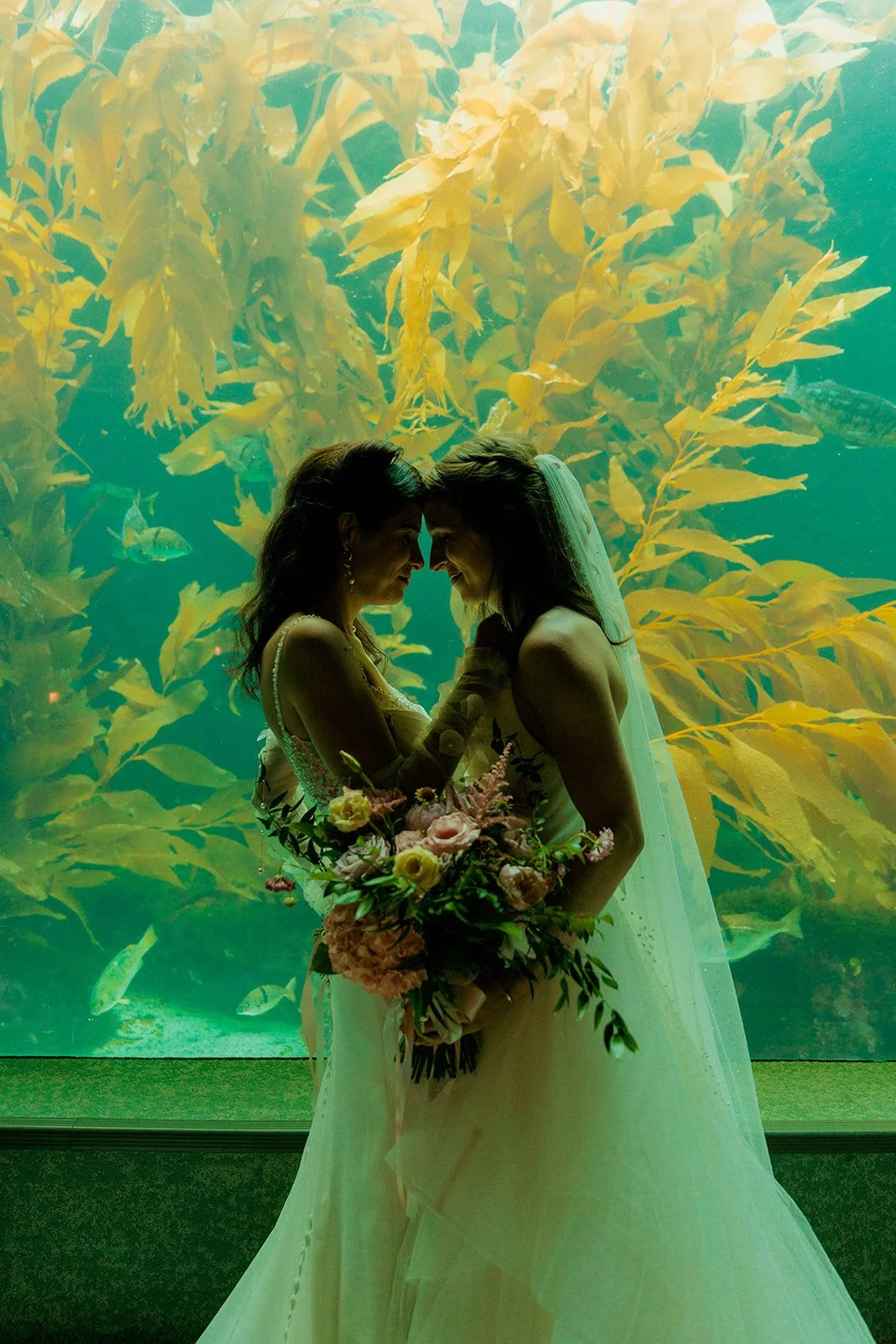
Center your planning around intimacy, ease, and emotional safety. Think less about "what people normally do" and more about what you two actually care about — that’s where the magic lives.

2. Choose the Right Photographer (Not Just a Vendor)
Hiring a queer wedding photographer is about more than visuals — it’s about being seen.
You want someone who understands body language, emotional nuance, and the quiet sacredness of queer love. Someone who won’t just tell you to "smile at the camera" but will witness your story with tenderness and depth.
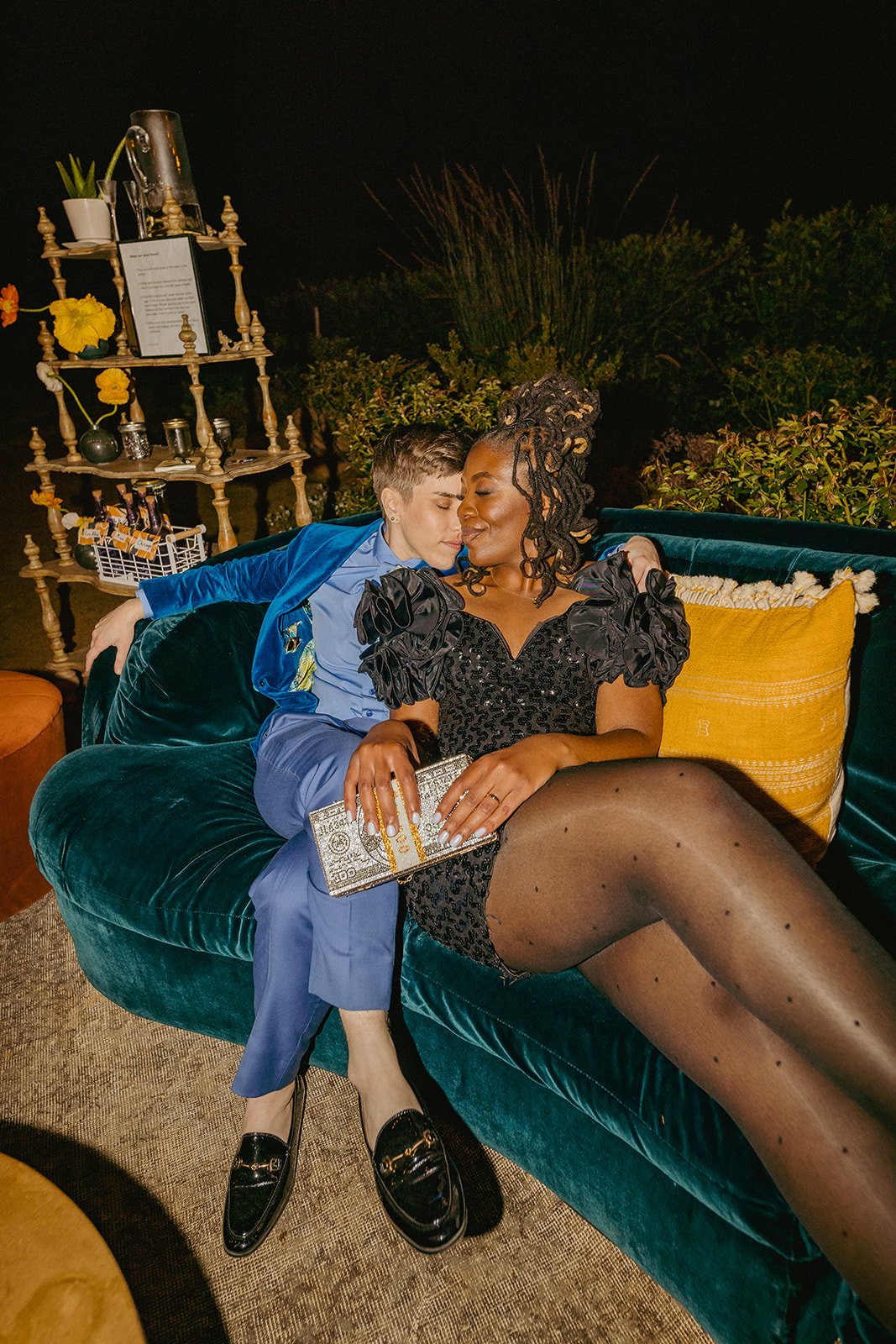
At TIKA, I approach elopements with a presence-led, editorial style. My work is soft, emotionally intelligent, and rooted in emotional storytelling photography — because the real beauty is in the in-between.
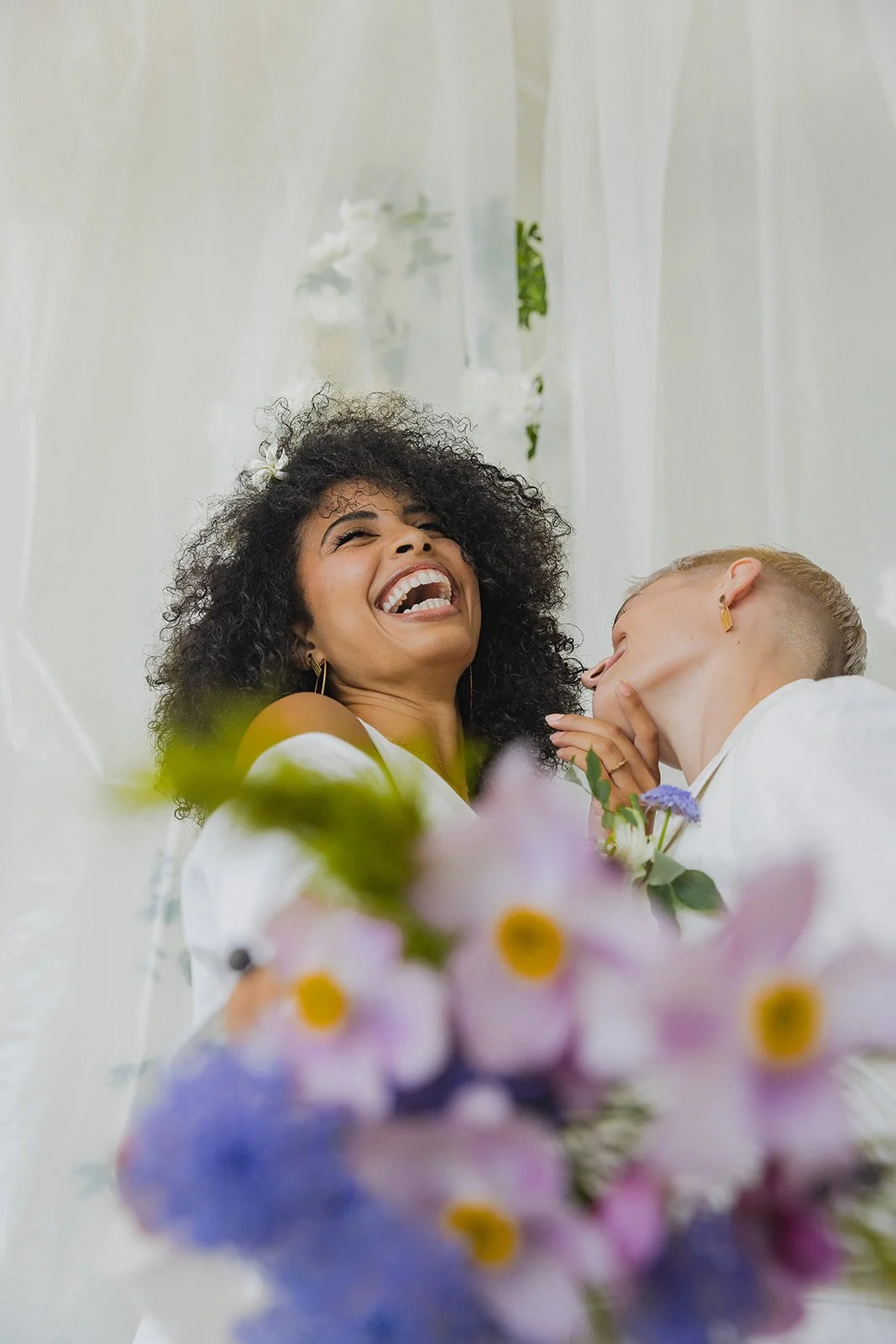

3. Rethink What an “Elopement” Can Be
Forget the clichés. Your ceremony can be a sunrise journaling ritual by the ocean. A barefoot vow exchange in the redwoods. A rooftop picnic in the city where you met.


Some of the most moving elopements I’ve photographed weren’t rehearsed or staged. They were real. Messy, beautiful, cinematic in their own right.
This is your chance to redefine romance on your own terms — to plan a day that feels like a love poem.

4. Work With Vendors Who Truly See You
Every vendor you bring in should feel like a collaborator — not just a checkbox. Seek out LGBTQ+ inclusive vendors, queer-owned businesses, and creatives who value representation without tokenizing your love.

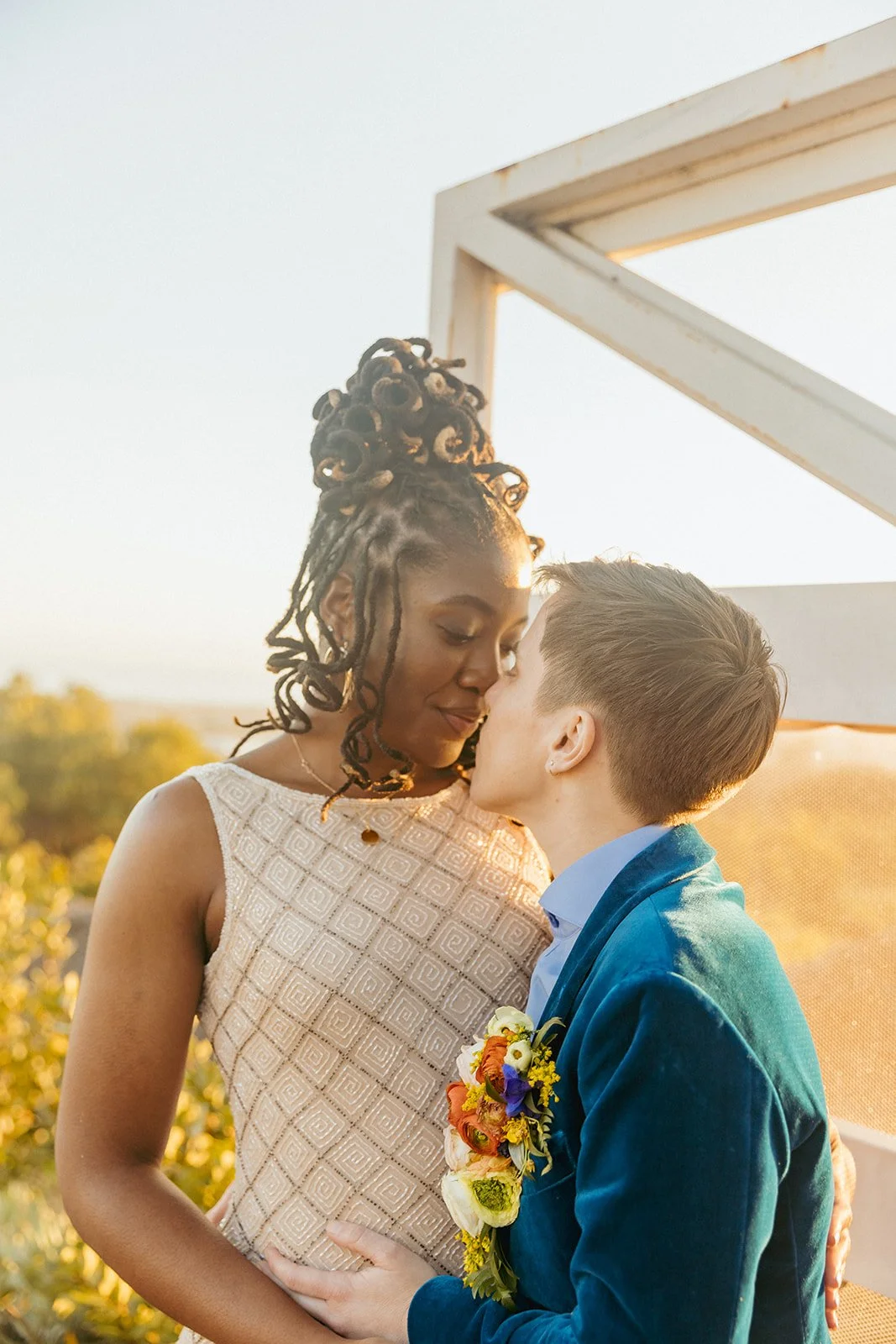

Ask questions. Trust your gut. If someone makes you feel “othered” or unseen in any way, move on.
You deserve a team that’s aligned with your values — not just your budget.
(Need a few recommendations? I’ve got a list of soft, soulful, radically inclusive vendors who get it.)
5. Build a Timeline That Breathes
You don’t need to cram your elopement into a jam-packed schedule.
In fact, some of the best moments happen in the in-between:
Sipping tea before you get dressed. Holding hands in silence. A spontaneous dance under the sky.
Leave room for slowness. Let your timeline stretch. Build in space for tears, laughter, and the kind of stillness that makes the heart feel full.

6. Add Artful Touches That Matter to You
Your elopement doesn’t need to be extravagant to be unforgettable.

A few ideas:
Polaroids for analog nostalgia
Handwritten vows sealed in a book or tucked into your jacket
Vintage rings with their own stories
Barefoot dancing at golden hour with your favorite song playing from a speaker
Let your details be personal. Sensual. Symbolic. Because this isn’t about impressing anyone — it’s about making memory sacred.


Conclusion: Your Love Is Not a Performance — It’s a Poem
Your queer love deserves softness, celebration, and space to be exactly what it is.
You don’t have to prove it to anyone. You just have to honor it.


So here’s your reminder:
Your elopement doesn’t have to look like anyone else’s to be meaningful. It only needs to feel like home.
And if you need someone to document the quiet, the wild, and the real — I’m here. Camera in hand. Heart wide open.